Expert discussion in the Verkhovna Rada: "Preparing for a Wider Union"
Kyiv, Verkhovna Rada of Ukraine · Verkhovna Rada Committee on Ukraine's Integration into the European Union
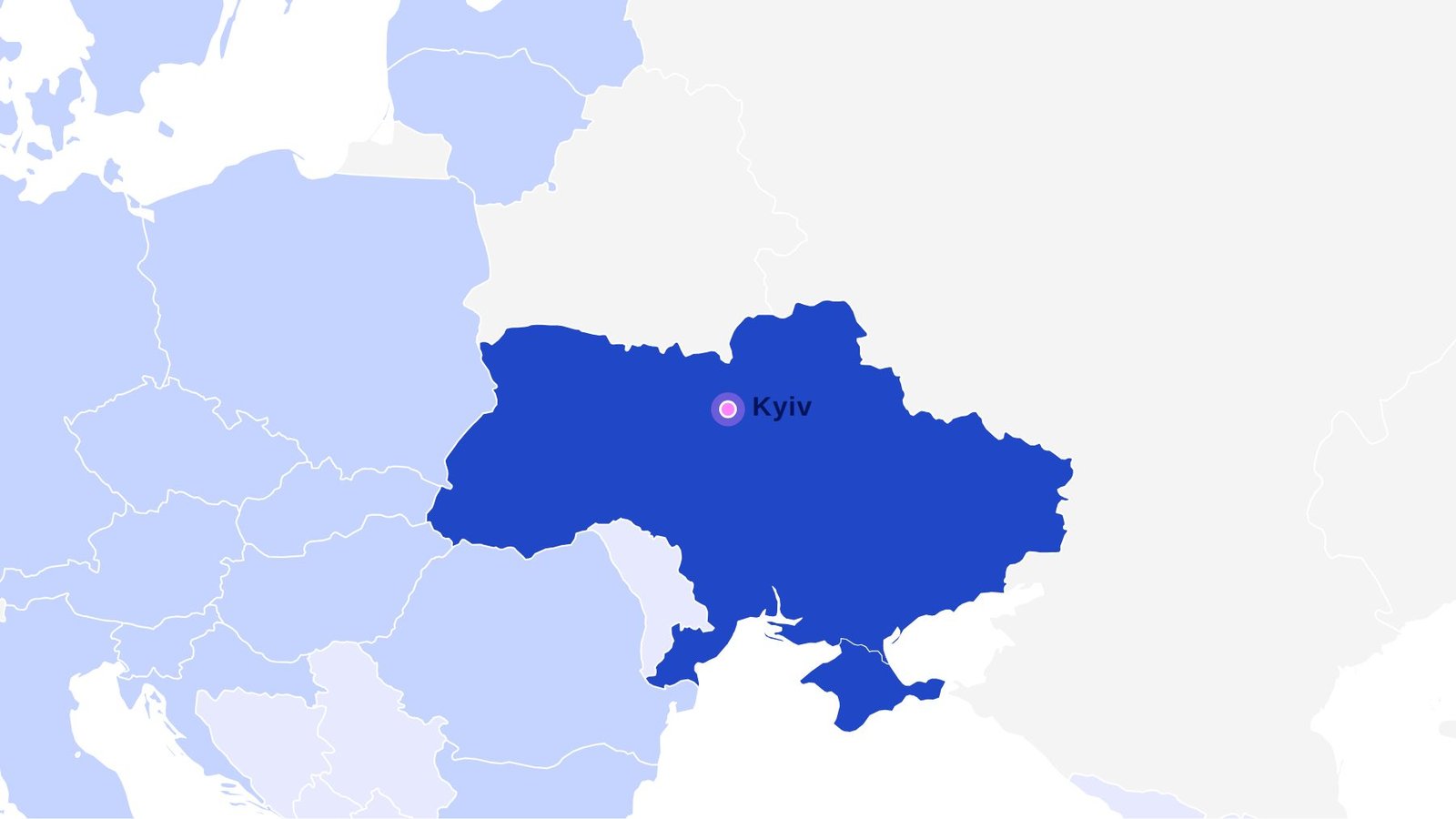
An expert discussion convened by Ivanna Klympush-Tsintsadze, Chair of the Verkhovna Rada Committee on Ukraine's Integration into the EU, on "Preparing for a Wider Union", the European Commission's communication on how the Union itself must change before admitting new members. The government, Parliament, the Ministry of Foreign Affairs and experts took part; I presented the main points of my EPIK commentary on the document.
At the invitation of Ivanna Klympush-Tsintsadze, Chair of the Verkhovna Rada Committee on Ukraine's Integration into the European Union, I took part in an expert discussion of "Preparing for a Wider Union", the European Commission's communication on how the Union itself must change before it admits new members. Around the table were the government, Parliament, the Ministry of Foreign Affairs and experts.
I presented the main points of my commentary on the document for EPIK. But the real value of such meetings lies elsewhere: hearing how the same picture looks from different offices. With both the rule-of-law Task Force on the benchmarks (IBAR) and the accession roadmap around the corner, the conversation inevitably went wider than the document; the Commission is due to publish the roadmap on 4 November in its Enlargement Package.
What was discussed
- A cautious welcome. The document drew a cautiously positive response: the debate on the parameters of enlargement has finally moved from slogans to specifics.
- Sectoral fit. Sector experts noted that in several policies the Union is moving towards competitiveness and a tougher trade policy, so parts of the document already lag behind the EU itself. Candidates that are genuinely carrying out legal approximation in a given sector need "windows" into the Single Market, and the government sees this.
- Moldova. Ukraine insists that negotiating clusters be closed in step with Moldova.
My points
- Read the capitals. The European Council of 15 October did not welcome the document. It merely took note and asked the Council to examine it. In diplomatic language, that means "we'll see". The real negotiation is still ahead.
- One design, not two tracks. Enlargement policy and gradual integration must be designed together, not run in parallel.
- Language matters. Moldova can move through legal approximation quickly: the acquis already exists in Romanian, so it can check directly how specific EU acts fit its own secondary legislation. For Ukraine, translating the acquis remains a heavy, resource-intensive exercise, carried today mainly by Ukraine2EU and a few sectoral projects.
- Merit-based means merit-based. Opening all clusters together with Moldova is right, and that is what is happening. Closing clusters, however, is about results. Whatever the roadmap says, if Ukraine meets the closing benchmarks earlier, we will press for those clusters to be closed earlier.
- A framework, not a finale. "Preparing for a Wider Union" frames the enlargement debate; it does not conclude it. The real work begins where the document breaks down into specific policies, and that is where Ukraine's stakes are highest: the Common Agricultural Policy with its transition periods and safeguards; Cohesion Policy and the terms on which new members gain access to funds; the rules for gradual integration into the Single Market. Each will decide what membership means for us in practice: a full seat at the table, or membership with an asterisk.